
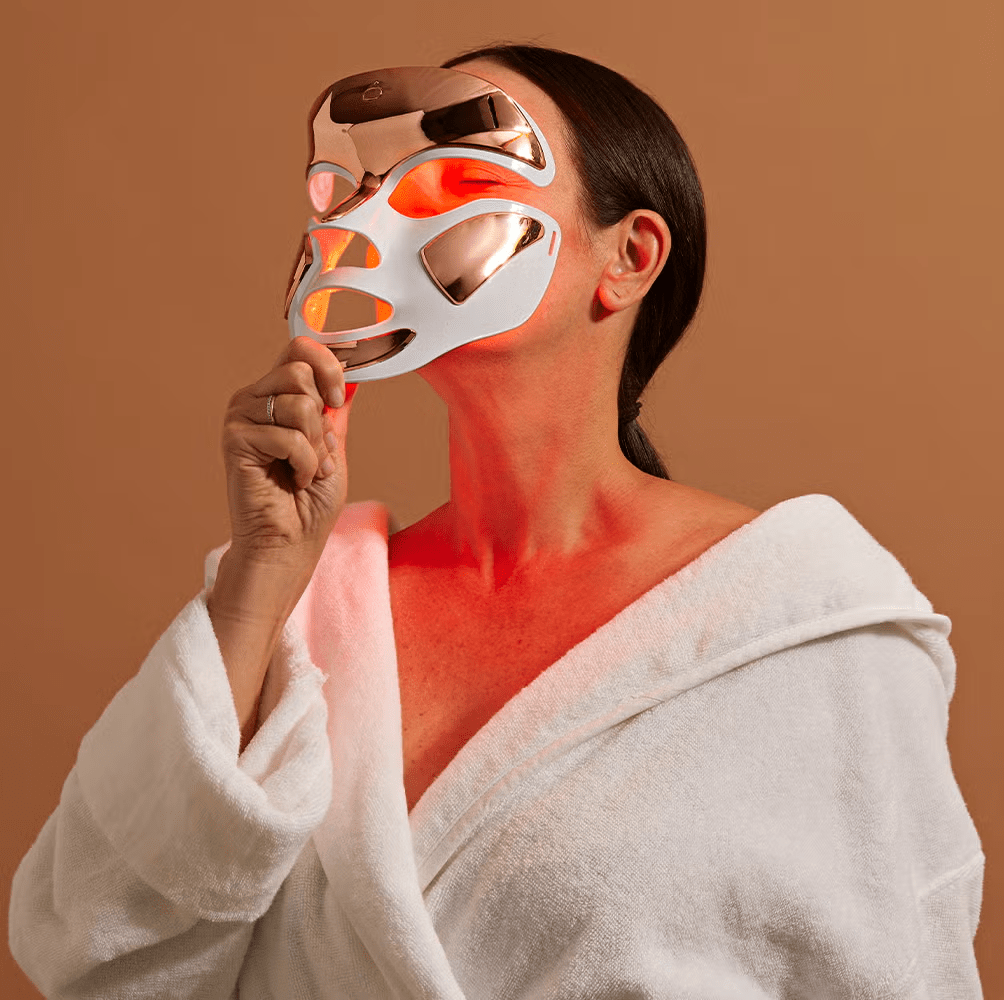
LED light therapy has quickly become one of the most talked-about skincare technologies — from in-clinic treatments to at-home LED masks used by celebrities, dermatologists, and skin therapists alike.
But with so many devices on the market, the real question remains:
Does LED light therapy actually work — or is it just another skincare trend?
As a practicing skin therapist, I can confidently say this:
LED is one of the most evidence-backed, gentle, and effective technologies we have for long-term skin health.
And the best part? It works with your skin — not against it.
What Is LED Light Therapy?
LED stands for Light Emitting Diode. In skincare, LED therapy uses specific wavelengths of light to penetrate the skin and stimulate cellular activity.
Unlike lasers or peels, LED is:
- non-invasive
- painless
- heat-free
- no downtime
- safe for most skin types
Originally, LED technology was developed in medical settings for wound healing and tissue repair (even used by NASA). Over time, its benefits for skin rejuvenation, acne, and inflammation became widely studied and clinically proven.
Think of LED as:
Cellular exercise for your skin.
It energises your skin cells so they can function better — producing more collagen, repairing damage faster, and reducing inflammation.
How Does LED Actually Work?
When LED light penetrates the skin, it reaches the mitochondria — the “powerhouses” of your cells. This increases ATP (cellular energy), which allows skin cells to:
- repair themselves more efficiently
- produce more collagen and elastin
- reduce inflammatory pathways
- improve circulation and oxygenation
In simple terms:
LED helps your skin behave like healthier, younger skin.
The Different LED Colours & What They Do
Not all LED lights are the same. Each wavelength targets a different skin concern.
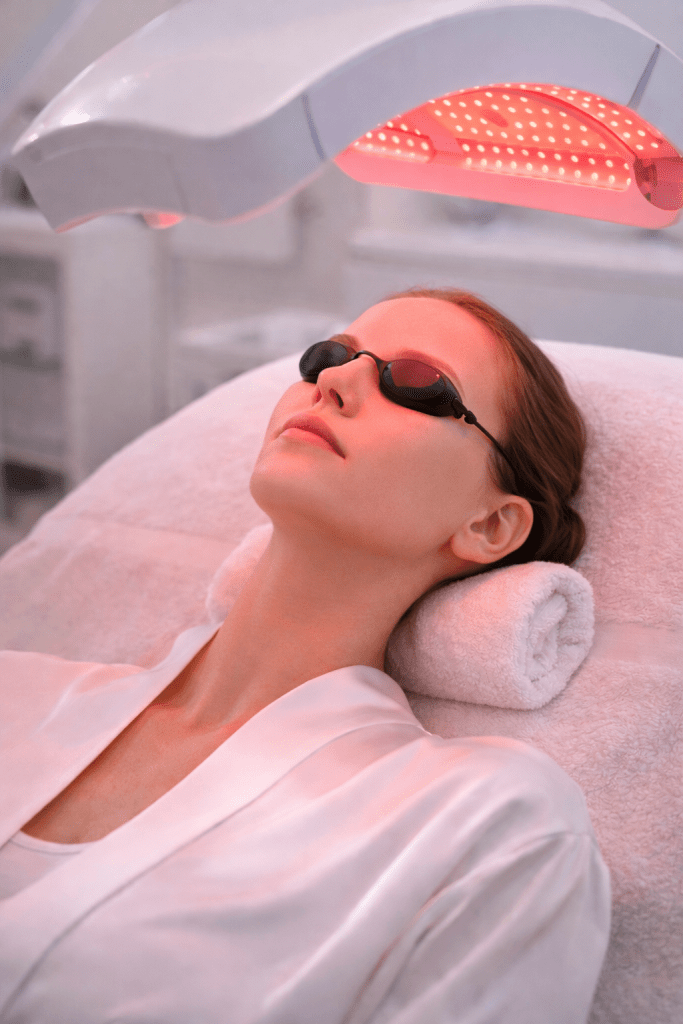
Red Light (around 633nm)
Best for:
- anti-ageing
- collagen stimulation
- fine lines and wrinkles
- skin firmness and elasticity
- overall glow
Red light is deeply rejuvenating and anti-inflammatory — perfect for almost everyone.
Blue Light (around 415nm)
Best for:
- acne
- breakouts
- inflamed skin
Blue light works by killing acne-causing bacteria on the skin’s surface.
Near Infrared Light (around 830nm)
Best for:
- deep skin healing
- redness and sensitivity
- post-treatment recovery
- wound repair
- barrier support
Near infrared penetrates the deepest and is incredible for calming reactive or compromised skin.
The gold-standard combination for long-term skin health is:
Red + Near Infrared light.
The Real Benefits of LED Light Therapy
When used consistently, LED can help with:
- Acne and breakouts
- Redness and rosacea
- Inflammation and sensitivity
- Fine lines and wrinkles
- Pigmentation (indirectly)
- Skin texture and tone
- Post-laser or post-treatment recovery
- Barrier repair and resilience
One of the biggest misconceptions is that LED gives instant results.
In reality:
LED is a long-term skin investment.
It builds healthier skin over time.
In-Clinic LED vs At-Home LED Masks
Both are valuable — they just serve different purposes.
In-Clinic LED
- Higher strength devices
- Medical-grade output
- Ideal post-treatment
- Immediate calming and healing
Perfect after:
- skin needling
- lasers
- peels
- breakouts
- inflammation
At-Home LED Masks
- Lower intensity, but very safe
- Designed for regular use
- Perfect for maintenance
- Great for sensitive skin
At-home LED works best when used:
consistently, not aggressively.
10–20 minutes, 3–5 times per week will always outperform one intense session.
How to Use an LED Mask at Home (Properly)
This is where most people go wrong.
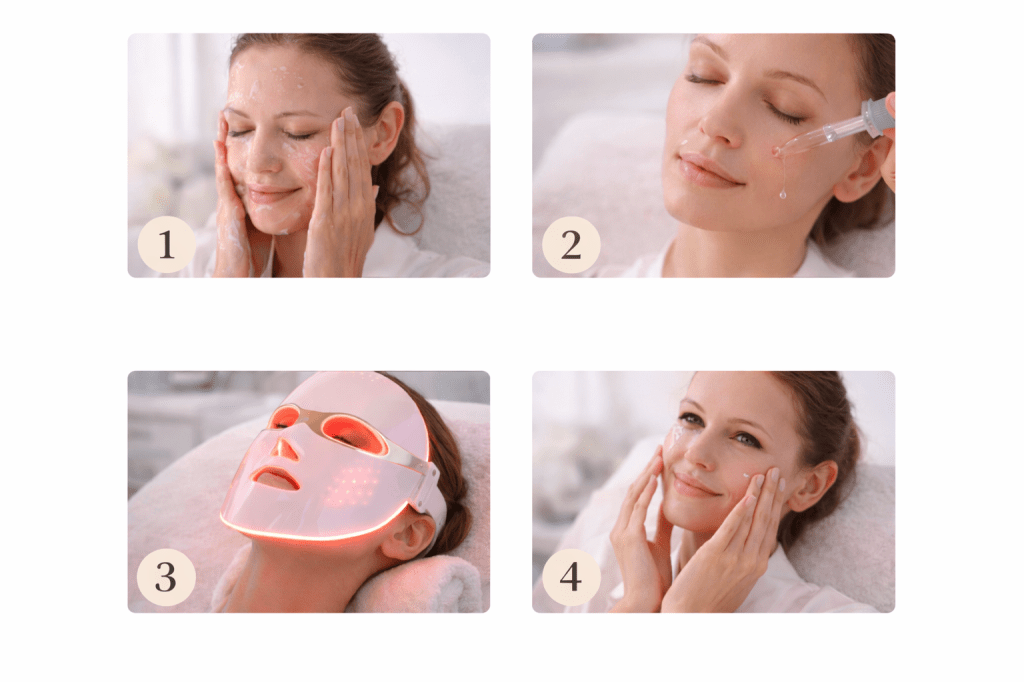
The ideal routine:
- Cleanse your skin
- Apply a light, hydrating serum (avoid actives)
- Use LED mask for 10–20 minutes
- Finish with moisturiser
Important tips:
- No exfoliating acids or retinoids before LED
- Hydration is more important than actives
- Use on clean, calm skin
- Consistency > intensity
LED works best when your skin is hydrated and supported — not stripped or irritated.
LED Masks We Recommend
When choosing an LED mask, look for:
- FDA-cleared devices
- Red + near infrared wavelengths
- Flexible silicone masks
- Even light distribution
Well-known, clinically trusted options include:
- CurrentBody LED Mask
- Dr Dennis Gross LED Mask
- MZ Skin
- Foreo FAQ
- Therabody Theraface LED Glo
Avoid:
- cheap devices with no wavelength data
- blue-only masks for long-term use
- devices that feel hot or uncomfortable
Who Is LED Perfect For?
LED is especially beneficial for:
- Sensitive or reactive skin
- Acne-prone skin
- Redness-prone skin
- Post-treatment skin
- Barrier-impaired skin
- Anyone wanting glow without irritation
This is why LED fits beautifully into modern skin philosophy — it heals without forcing change.
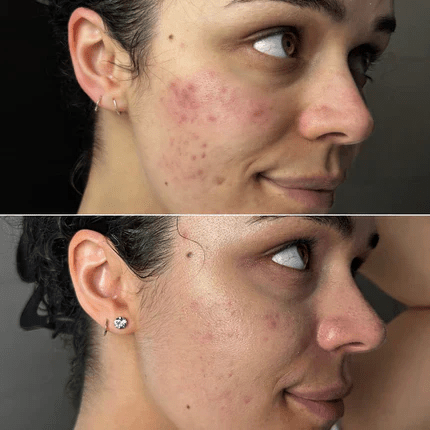
- Before and after photo of acne-prone client. Source: CurrentBody
Who Should Avoid LED?
LED is extremely safe, but caution is advised if you:
- are pregnant (precautionary)
- have epilepsy or light sensitivity
- take photosensitising medications
- have active melasma (needs professional guidance)
Always consult a skin professional if unsure.
Final Thoughts: Is LED Worth It?
In a world of aggressive actives and overstimulated skin, LED light therapy offers something rare:
Gentle, intelligent, long-term healing.
It doesn’t burn, peel, inflame, or sensitise.
It strengthens your skin’s natural ability to function well.
LED doesn’t replace skincare —
it makes your skincare work better.
Think of it as:
Light-based self care for your cells.
And for modern, sensitive, reactive skin — it’s one of the best investments you can make.


 Because Of Skincare
Leave a comment